
Cold Weather & Horse Mobility: What Owners Should Know
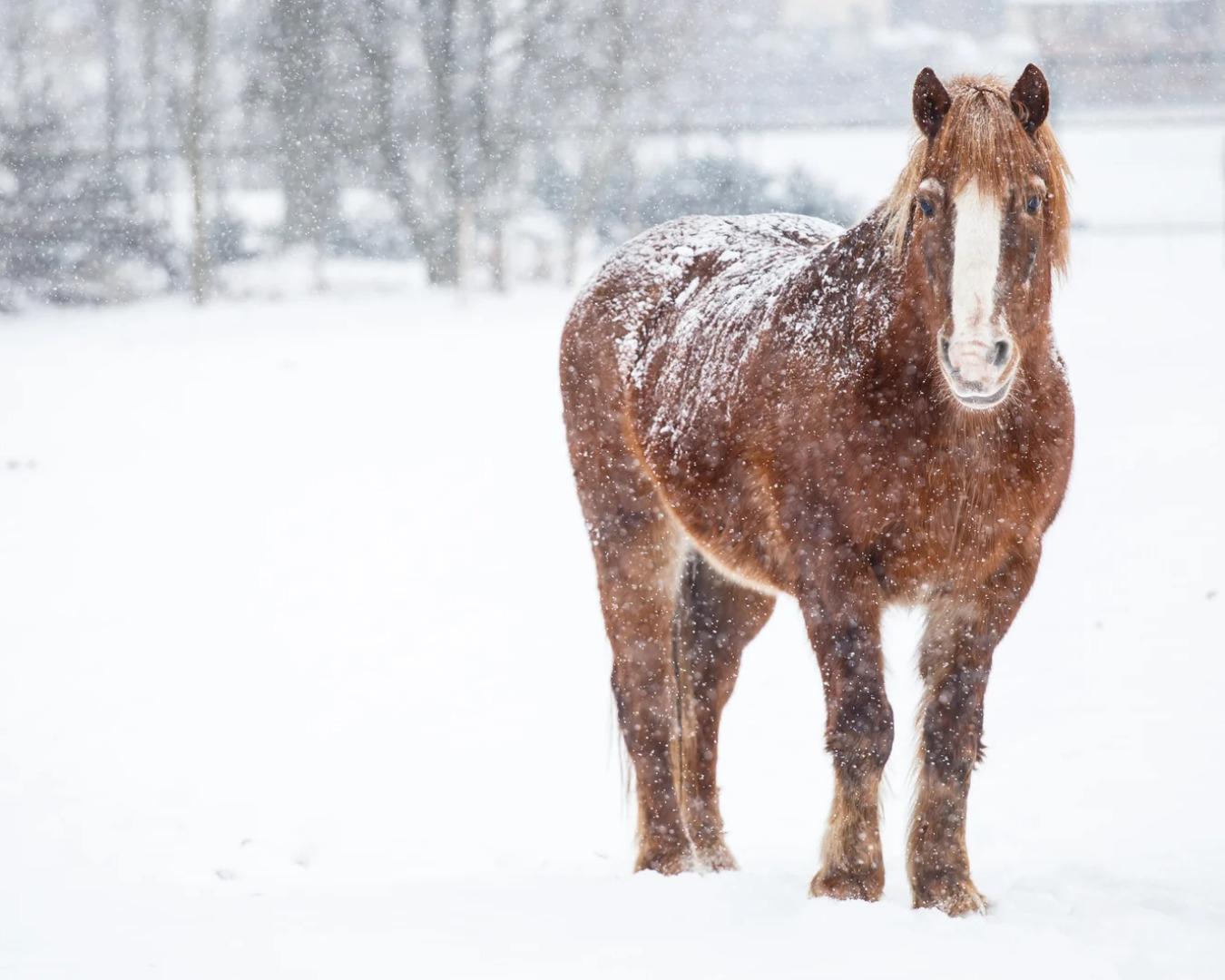
As temperatures begin to drop, horse owners may notice changes in their horses’ daily routines, activity levels, and overall comfort. Some horses seem a little slower getting started in the morning, while others may show changes in how freely they move after spending more time in the stall or less time turned out.
While colder weather doesn’t automatically cause inflammation or joint problems, winter can bring changes that affect a horse’s comfort and mobility. Understanding what to look for and how to support your horse throughout the season can make a big difference in maintaining a healthy routine.
Why Can Winter Affect Horse Mobility?
Horses are creatures of routine, and winter often changes that routine.
Shorter days, freezing temperatures, icy footing, and limited turnout can all influence how much movement a horse gets throughout the day.
Here are a few things to keep in mind:
1. Changes in Activity Levels
During warmer months, horses may spend more time outside moving around naturally. In winter, weather conditions sometimes mean shorter turnout periods or more time in the stall.
Reduced movement can contribute to stiffness, particularly when a horse has been standing for an extended period. Maintaining regular, appropriate movement is an important part of supporting healthy mobility.
2. Cold Weather and Getting Moving
Just like people, horses may take a little longer to get moving comfortably when temperatures drop. A horse that has been standing in a stall overnight may appear a little stiff when first coming out.
This doesn’t necessarily mean something is wrong, but noticeable or persistent changes in movement should never be ignored.
3. Winter Footing
Frozen ground, snow, mud, and icy surfaces can make everyday movement more challenging.
Uneven or slippery footing may cause horses to adjust how they walk, stand, and move. Providing safe footing in turnout areas, walkways, and around the barn can help reduce unnecessary slips and strain.
Understanding Stiffness vs. Inflammation
Although these terms are sometimes used interchangeably, stiffness and inflammation are not the same thing.
Stiffness describes difficulty or reduced ease of movement. It can have several causes, including limited activity, muscle soreness, joint conditions, or an underlying injury.
Inflammation is a natural response from the body’s immune system to irritation, injury, or infection. It is an important part of the body’s healing process, but excessive or persistent inflammation may require veterinary attention.
Signs that may indicate a problem include:
- Swelling around a joint or limb
- Unusual warmth or tenderness
- Lameness or an uneven gait
- Reluctance to move or bear weight
- Changes in normal behavior or activity
If you notice these symptoms, contact your veterinarian. Sudden or severe lameness, significant swelling, or an inability to bear weight warrants prompt veterinary attention.
5 Ways to Support Your Horse During Winter
While we can’t control the weather, we can make thoughtful adjustments to help our horses stay comfortable and maintain healthy routines.
1. Keep Them Moving
Whenever conditions allow, maintain regular turnout and appropriate exercise. Even small adjustments to a winter routine can help prevent long periods of inactivity.
2. Allow Time to Warm Up
Avoid jumping straight into strenuous exercise. Give your horse time to walk, warm up, and gradually transition into more demanding work.
3. Pay Attention to Nutrition
A balanced diet is essential year-round. During winter, horses may need adjustments to their feeding routines depending on their workload, body condition, forage availability, and individual needs.
4. Don’t Overlook Hydration
Horses still need plenty of fresh water when temperatures drop. Some horses drink less when water is particularly cold, so check water sources regularly and make sure fresh, accessible water is always available.
5. Make Time for Daily Observation
Pay attention to how your horse moves, behaves, and responds to everyday activities. Changes in mobility, appetite, attitude, or comfort can be important clues that something needs attention.
Our Recommended Products for Equine Wellness
Looking for ways to give your horse a little extra support throughout the winter months? The Healing Cowgirl carries products designed to support equine wellness, including options for horses needing everyday nutritional support and those with performance-focused routines.
Here are two products worth exploring:
Everyday Wellness Hemp Pellets
Our Everyday Wellness Hemp Pellets contain 190 mg of full-spectrum hemp per serving and are formulated to support calmness, focus, joint health, mobility, and a normal inflammatory response.
They’re a great option for horse owners looking to incorporate hemp into their horse’s everyday wellness routine, especially during seasons when maintaining consistent care is important.
HempFlavin Equine Powder
For performance horses, HempFlavin offers a different approach to hemp-based wellness. Made with heirloom hemp-derived flavonoids, HempFlavin contains no CBD or THC and is designed to support a normal inflammatory response, joint comfort, mobility, gut health, and recovery.
Unlike full-spectrum hemp products, HempFlavin is a cannabinoid-free option for horse owners looking for daily wellness support while keeping competition considerations in mind. Always check the current rules of your specific competition organization and verify product documentation before use.
Which One Is Right for Your Horse?
Every horse has different needs! Whether you’re looking for everyday wellness support or a performance-focused option, choosing products that fit your horse’s individual routine is important.
Explore both options and reach out to The Healing Cowgirl with questions about incorporating them into your horse’s wellness routine.
Remember, supplements are intended to complement—not replace—balanced nutrition, appropriate exercise, and veterinary care. If your horse is experiencing persistent stiffness, soreness, lameness, or other concerning symptoms, consult your veterinarian.
Here’s to happy, healthy horses all winter long!
The Healing Cowgirl 🤎
Previous Post
No previous post